Service
Garden Shed Construction With Real Working Space
Charming garden sheds with potting space, ventilation and daylight where you need it.
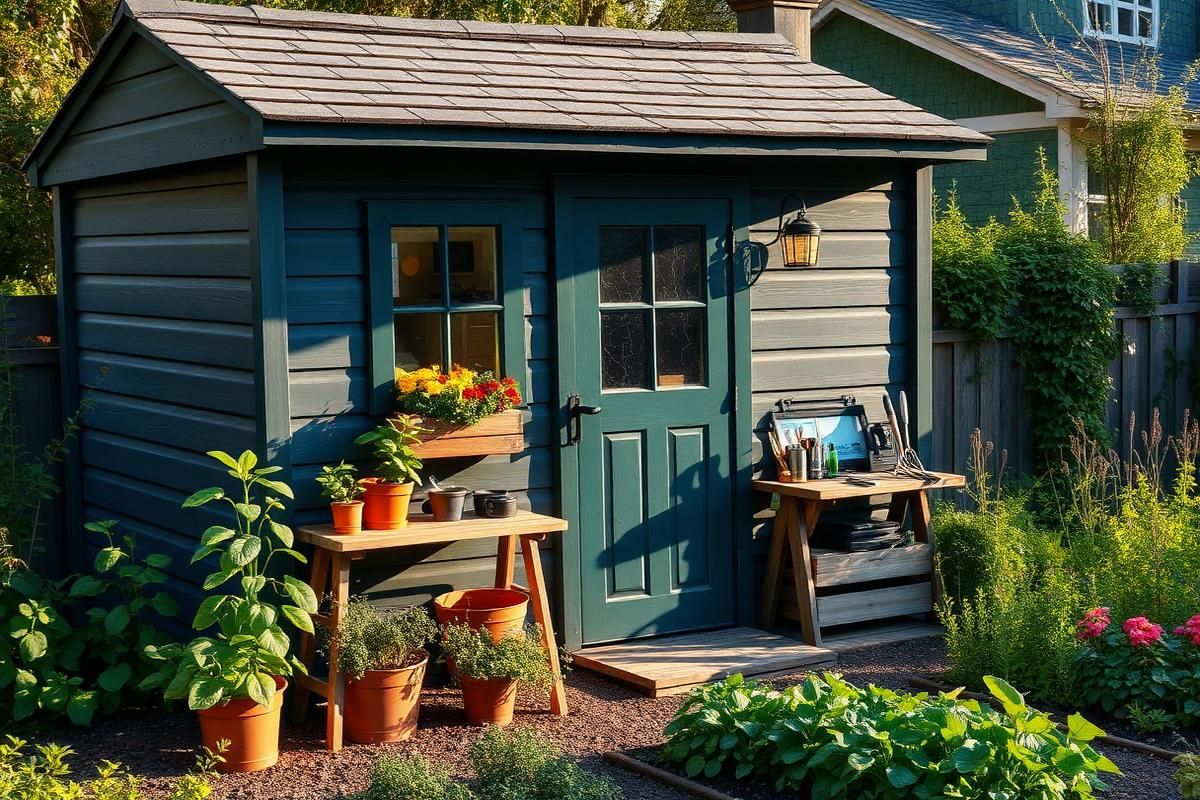
Potting bench, tool wall, daylight and airflow — a garden shed should make the growing season easier, not just store a bag of mulch.
Garden sheds are small buildings with a lot asked of them. They store bulky, awkward, often wet or dirty items; they need to stay ventilated so tools do not rust and bulbs do not rot; and because they sit in the prettiest part of the yard, they need to look like they belong there.
Interior planning for how gardeners actually work
The best garden sheds we have built share a few features. A potting bench at counter height near a window, so you can see what you are doing. A hanging rail for long-handled tools, which keeps the floor clear. Open shelving for pots and trays sized to what you actually own. A dedicated low corner for bagged soil and amendments that you can drag in without lifting. And a hook by the door for gloves, twine and pruners so they stop disappearing.
Light and ventilation
Two windows, ideally on adjacent or opposite walls, transform a small shed. They give working light and let you crack a sash for airflow. Where privacy or wall space is tight, a small skylight or a translucent roof panel adds daylight without giving up wall storage.
Ventilation is not decoration in our climate. Louvered gable vents or a vented ridge with soffit intake move humid air out, which keeps steel tools from developing surface rust and stops the musty smell that plagues sealed sheds. If you plan to overwinter tender bulbs or store seed, airflow matters even more.
Materials and finishes
Garden sheds are where it is worth spending a little on appearance. Board-and-batten or lap siding painted in a color drawn from the house or the garden, a real trimmed window, a Dutch door if you like the look, and simple hardware in black or bronze all read as intentional. Metal roofing in a muted green or barn red suits Kentucky properties and lasts decades. Cedar accents age gracefully, though they need occasional attention.
Water: keeping it out, or catching it
The pad goes above grade with the ground sloped away, same as any building we put up. Beyond that, garden sheds are natural candidates for rainwater collection. A single gutter run into a rain barrel gives you a convenient watering supply a few steps from the beds. Tell us at design stage and we will position the downspout where the barrel will not be in the way.
Placement in the garden
Think about shade cast on beds, distance from the water spigot, the path you will actually walk with a wheelbarrow, and whether the door swing clears a trellis or bed edge. A shed tucked against a tree line looks lovely but collects leaves and stays damp; a few feet of clearance for air movement and maintenance access is worth keeping.
Small building, same fundamentals
Even at 8x10, we build with treated framing at ground contact, proper flashing, a real floor system and fasteners chosen for longevity. The reason people replace small sheds after eight years is rarely the design — it is a soggy base and skipped details. For a deeper walk through layout and storage ideas, read our Garden Shed Design & Storage Guide.
Garden Shed Construction: common questions
What size garden shed do most people need?
8x10 to 10x14 covers the majority. If you want a potting bench plus storage for a mower, aim toward the larger end or consider a combined garden and storage building.
Can you add a potting bench and shelving?
Yes, and building them in during construction is cheaper and stronger than adding freestanding furniture later. We size the bench to your working height.
Will a garden shed get too hot in summer?
Not with proper ventilation and light-colored roofing. A vented ridge with soffit intake, plus an operable window, makes a substantial difference in July.
Can the shed collect rainwater?
Easily. A gutter run to a rain barrel is a small addition that pays off all summer. We position the downspout during design so the barrel sits out of your path.
Ready for a number? Call 270-277-1669 or send your project details. We build across Owensboro and western Kentucky, and every quote is written, itemized and free.